
This article was republished with permission from 海角精品黑料’s news partners at . Read the story at Maryland Matters.


Efforts to bring a聽聽pilot program to Maryland is over at least for this year.
Sponsors of the House and Senate bills withdrew the legislation amid concerns it would institutionalize a 32-hour work week. Costs of the five-year pilot program and engrained attitudes concerning the traditional 40-hour work week appear to have derailed legislation for this year.
Del. Vaughn Stewart, (D-Montgomery), held out hope of a study by the state Department of Labor, which lawmakers could still require this session through a budget amendment.
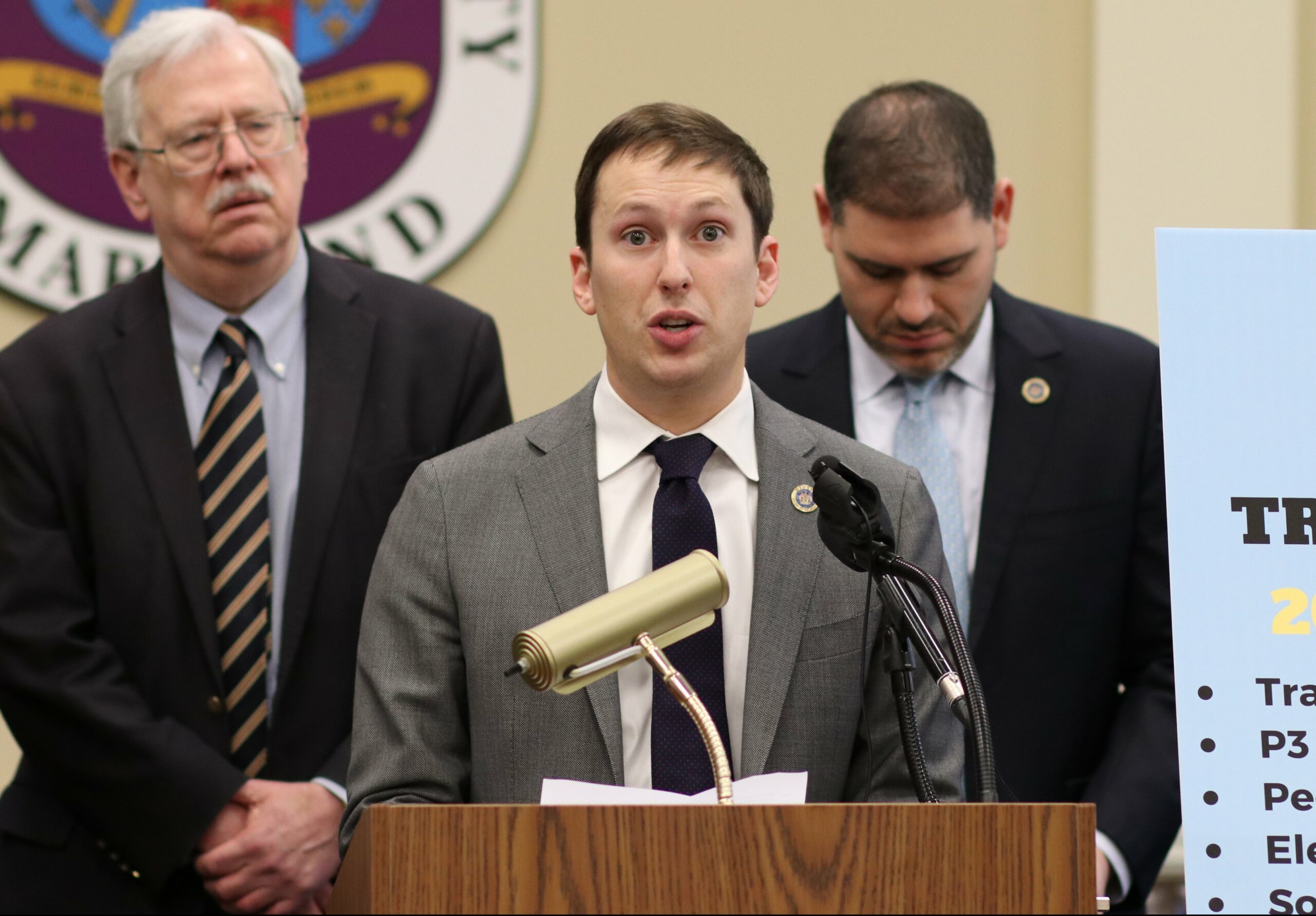
鈥淭his is the first time for this bill and sometimes if (a bill) is a little out there, a little strange, something (lawmakers) haven鈥檛 thought about before, it can seem a little alien, a little off-putting,鈥� said Stewart, the lead sponsor of the House version of the bill.
Stewart maintained a move to a shorter work week 鈥渋s the future鈥� for Maryland businesses.
鈥淚 think, if we can get this budget language, that there has been a huge step taken this session,鈥� he said.
Stewart pulled the bill Monday prior to a vote by the House Economic Matters Committee because of concerns that it might not pass because of the costs 鈥� just under $1 million annually to establish a five-year business tax credit program. The Senate bill sponsored by Sen. Shelly Hettleman (D-Baltimore County) was also withdrawn.
Instead, Stewart hoped to create a study by the state Department of Labor. Once the study is complete, supporters could take another run at the proposal before the end of the current term, he said.
House Economic Matters Committee Chair C.T. Wilson, (D-Charles) said shortening the workweek but paying for 40-hours raised some eyebrows among committee members.
鈥淚 think a lot of people from both sides of the aisle are a little bit nervous about the messaging and what鈥檚 next,鈥� said Wilson. 鈥淪ometimes it鈥檚 not the bill itself, but what are ramifications and what the next step is going to be in business 鈥� is this just the first phase in normalizing a 32-hour workweek? I think a lot of people were a little concerned about that.鈥�
The traditional 40-hour week dates back to 1940 and an amendment to the Fair Labor Standards Act.
Wilson said his committee聽had planned to move the bill with a four-day 40-hour work week before it was withdrawn. The chair said the public may have had a difficult time accepting a 32-hour work week even if were not a mandate.
鈥淭he practicality of a 32-hour workweek is really, really hard to get people 鈥� my generation and above 鈥� to discuss or think about, you know,鈥� he said.
Even so, costs continued to be a factor as lawmakers brace for potentially bad budget news from the Board of Revenue Estimates later this week.
聽and the identical聽, described Hettleman as 鈥渁 little carrot for businesses,鈥� proposed the creation of a tax credit program for businesses interested in a shorter workweek. Workers participating in the program would not see a reduction in pay from the standard 40-hour week.
The bill would provide an annual tax credit of $10,000 each for businesses implementing a four-day, 32-hour work week for at least 30 employees. A company would be eligible for the credit for up to two years.
The state Department of Labor would be required to collect data on the program and report annually to the governor and legislature. The pilot program would have expired in five years.
The bill also required the governor to set aside funding annually. The costs of the program were expected to exceed $900,000 annually including tax credits and administrative costs at the Department of Labor.
Shorter work weeks are growing in popularity in Europe and among some tech companies. Shifts in work attitudes related to the COVID-19 pandemic have left employers looking for ways to lure new workers or retain veteran hires.
鈥淭his is the future,鈥� said Stewart.
鈥淚 know it sounds utopian and to some people it sounds crazy to say that companies that tried this didn鈥檛 have a profitability loss but I think a lot of the experience of companies that have tried this so far flies in the face of that preconception,鈥� he said.


